
Impact on Young Workers
Why May Young Workers be Afraid to Speak Up? (Turner et al., 2022)
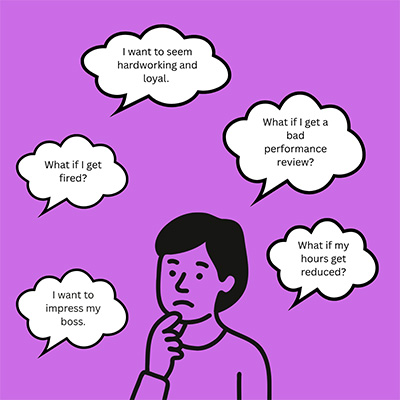
It is important to understand that sexual harrasment and other improper behavior from employers should never be tolerated.
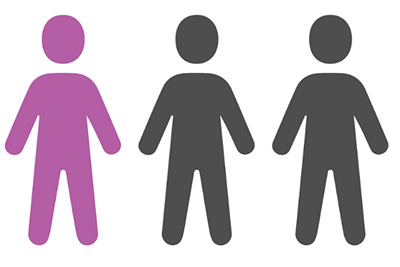
1 in Every 3 Workers Aged 16-25 Do Not Know Where To Get Help Regarding Their Basic Rights and Entitlements (Howes et al., 2023)
Workplace Harassment and Sexual Harassment Have Long-Term Effects on Victims (Rospenda et al., 2023)
- Workers who were chronically sexually harassed or generally harassed at work reported higher psychological distress and alcohol misuse even 25 years later.
- One in every 3 of almost 5000 workers had experienced chronic general workplace or sexual harassment.
- Workplace harassment can affect people long after they have experienced it.
How Much of Reported Workplace Violence is Sexual Harassment? (Rauscher et al., 2023)
All
Age Group
14-17
18-24
Gender
Male
Female
Race
White/Caucasian
All other races
24.3%
18.8%
25.9%
14.4%
34.4%
22.5%
31.3%
Researchers conducted phone interviews with workers aged 14-24. Including all forms of workplace violence, they calculated the 12‐month prevalence of having experienced any of these forms of violence in any job they held in the last 12 months, as well as that for each form of violence.
In one study, students indicated experiencing challenges in their academic performance (Stewart & Davison, 2019):
- frequent absences
- a decline in the quality of their schoolwork,
- a tendency to skip or discontinue classes,
- reduced grades,
- diminished social connections, lateness, and instances of truancy
Fineran & Gruber (2009) reported high school girls who experienced sexual harassment at work had several negative outcomes, including:
- less satisfied with their jobs and supervisors
- exhibited higher levels of academic withdrawal
- more likely to miss school compared to those who did not experience harassment.
Impact of Sexual Harassment on Young Workers
Emotional & Psychological:
- Increased risk of depression, anxiety, and low self-esteem
- Feelings of shame, fear, and anger are common
- Victims may experience PTSD symptoms, such as hypervigilance and flashbacks
- Sudden changes in mood or behavior, such as becoming withdrawn, irritable, or anxious
- Fear of retaliation or trouble trusting others
- Decreased job satisfaction/productivity
- Lack of trust
Behavioral:
- Avoidance of specific areas or people
- Social withdrawal and reduced participation in activities
- Increased secrecy or reluctance to use phones or social media
- Work withdraw/absenteeism
Physical:
- Stress-related illnesses such as headaches, stomachaches, or fatigue
- Difficulty sleeping (insomnia)
- Changes in appetite
- Teeth clenching
- Hand tremors
- Palpitations