
News & Headlines
View office hours for all faculty
Presentation at Northeastern Association of Forensic Scientists (NEAFS) Meeting
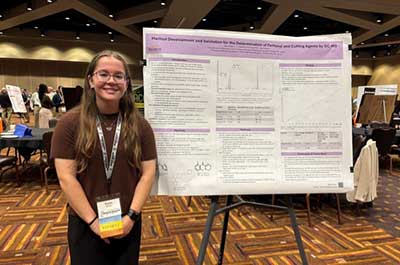
Taryn Wallen (Forensic & Toxicological Chemistry Program major) presented the progress of her project entitled “Method development for the determination fentanyl and its cutting agents in whole blood utilizing GC-MS” results with co-presenters, Lisa Mundy (Philadelphia Medical Examiner’s Office), and Dr. Constantinos Pistos at the 52nd Annual NEAFS Meeting, at Pocono Mountains, PA.
Career program for Forensic & Toxicological Chemistry
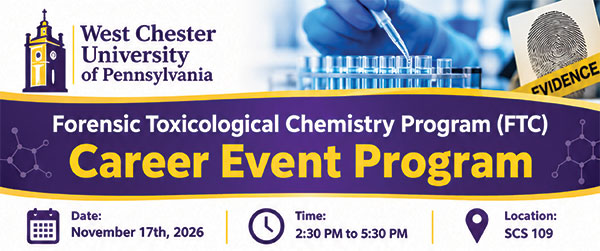
The event will be held on November 17th, 2026, at 2:30-5:30 pm in SCS109.
Career Program for Forensic & Toxicological Chemistry Details
Accepting applications for tenure track assistant professor positions in (1) Biochemistry and (2) Organic/Medicinal Chemistry
Details can be found here for biochemistry and here for organic/medicinal chemistry. Join a vibrant equity-minded campus whose excellence is reflected in its community, cultural engagement, and student success. The Department of Chemistry invites applicants for a Full-time, 9-month, Tenure-Track, Assistant Professor positions. The positions begin in August 2027.
The mission of the Department of Chemistry, part of the College of the Sciences and Mathematics, is committed to excellence in teaching, scholarship, and student success. The Department offers bachelor’s degrees in Chemistry, Biochemistry, Pharmaceutical Product Development (PPD), Forensic and Toxicological Chemistry (accredited by FEPAC), and Chemistry–Biology. The Chemistry and Biochemistry degree programs are certified by the American Chemical Society (ACS), and the Chemistry–Biology program is accredited by the American Society for Biochemistry and Molecular Biology (ASBMB), ensuring that students receive a high-quality education aligned with nationally recognized standards. Learn more about the Department of Chemistry.
Making advanced anode materials for lithium ion batteries
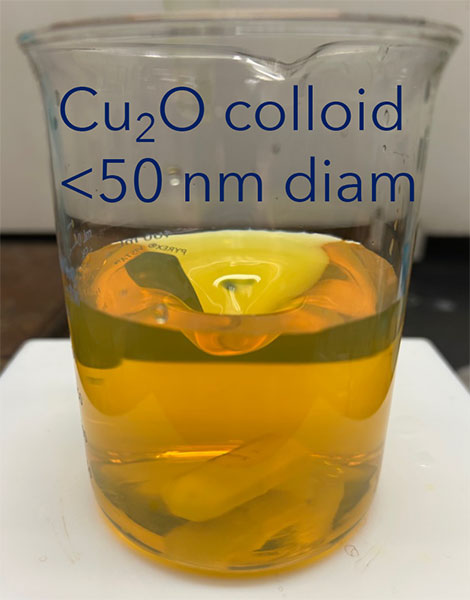
Dr. Kolasinski presented an update of his work on making Si/C composite anodes to improve the performance of lithium ion batteries. This work was presented at the 34th annual International Materials Research Congress in Cancun, Mexico. In addition to research conducted with groups from Brno University of Technology, University of Pardubice, Thermo Fisher Scientific Brno (all in Czechia), and CIC NanoGUNE and the Basque Foundation for Science in Spain, this presentation featured the results of WCU undergraduate Sandy Zheng. Sandy helped to develop a process to synthesize and stabilize Cu2O nanoparticles by colloidal synthesis. When the process works it makes a stunning clear golden orange dispersion (see photo). These nanoparticles, which are <50 nm in diameter, are used to catalyze the growth of silicon nanowires on graphite particles that are then incorporated into coin cells that exhibit much greater lithium ion storage capacity than standard graphite anodes.
Why not make net carbon negative materials from sewage sludge?
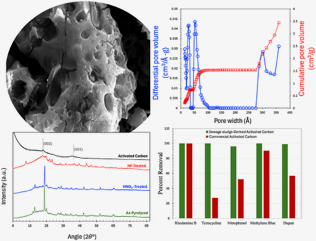
Dr. Kolasinski working together with groups in chemical engineering headed by Dr. Dipendu Saha and civil engineering by Dr. Xiaochao Tang, have published a study to transform sludge generated from wastewater into a useful product. These findings demonstrate a sustainable waste-to-resource pathway for producing high-performance activated carbon for environmental applications. The results were published in the journal Chemosphere.
Dr. Pistos participates in a panel of speakers at the ASCLD 2026 annual symposium
Dr. Pistos participated on May 19th, as a panel speaker at the American Society of Crime Laboratory Directors (ASCLD) Annual Symposium in Grand Rapids, MI. the session, titled “New-Hire Training Challenges: Bringing Together Crime Lab Directors and Academics to Find a Solution”, focused on bridging the gap between laboratories and academic institutions to address critical needs in workforce readiness.
During his remarks, Dr. Pistos emphasized with suggestions, the importance of fostering strong partnerships between Forensic Science Service Providers (FSSPs) and Forensic Academic Programs (FAPs), while ensuring that hiring practices remain fair and equitable. He also highlighted how the https://www.wcupa.edu/sciences-mathematics/chemistry/forensicChem.aspx in the Department of Chemistry at West Chester University of Pennsylvania prepares our students in the areas of public speaking and critical thinking.”
Dr. Voras studies bibliotoxicology in collaboration with Slippery Rock University
This case study, published in RBM: A Journal of Rare Books, Manuscripts, and Cultural Heritage, documents a project to research and identify arsenical bookcloth at a medium-sized public university. Use of arsenic as a color agent in nineteenth-century British and American bookcloth is summarized, and the librarian’s timeline, including sabbatical-funded research, inter-institutional collaboration with a chemistry professor at an R2 university, and remediation of toxic books through grant funding is outlined. The essay addresses health and safety recommendations within the context of academic libraries.
Dr. Kwiatkowski publishes work on gene therapy that takes aim at muscular dystrophy
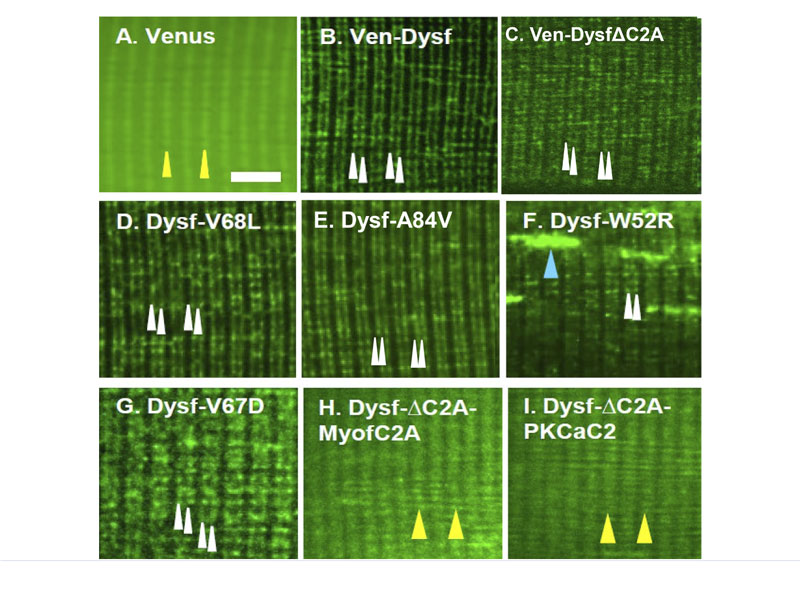
Dr. Tom Kwiatkowski was a contributing author on a recent publication in the Journal of General Physiology titled ‘Dysferlin’s C2A Domain Supports Normal Ca2+ Signaling and Membrane Repair in Dysferlin-Null Myofibers.’ The study contributes to ongoing gene therapy research efforts aimed at treating several forms of muscular dystrophy.
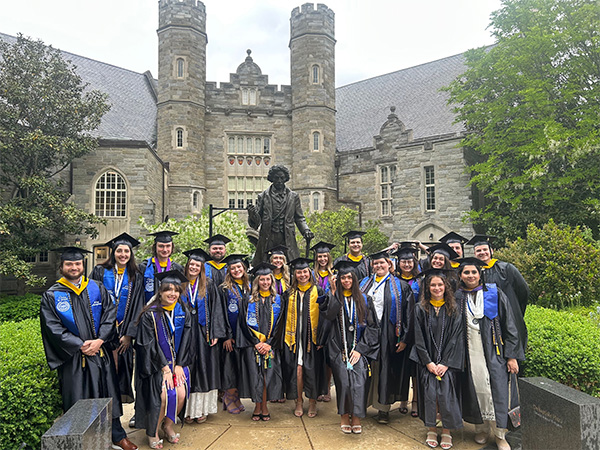
Congratulations Class of 2026
Presentations and awards at the Chromatography Forum of Delaware Valley (CFDV) annual spring symposium
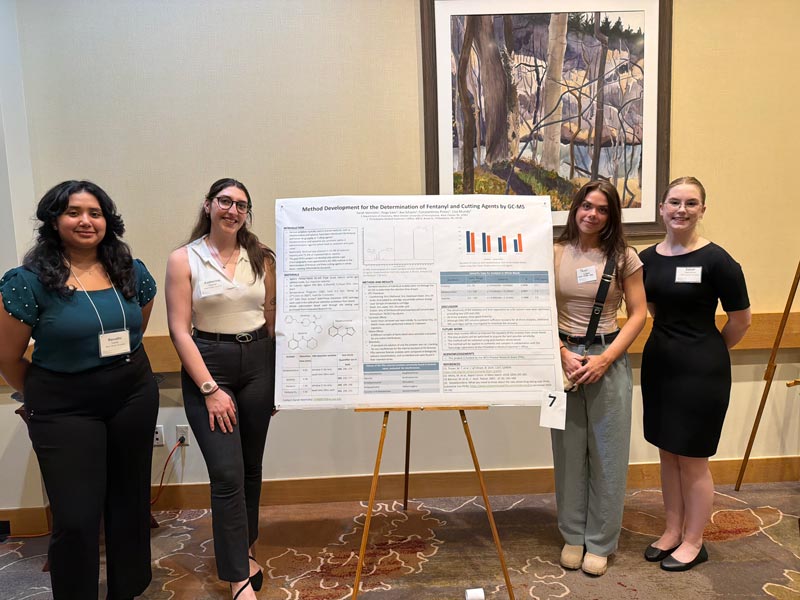
Congratulations to Revathi Variar, Heinrichs Sarah, Katherine Hayner, and Paige Ickes for presenting their work, performed in collaboration with Dr. Pistos and Lisa Mundy (Forensic Toxicology Laboratory Supervisor at Philadelphia Medical Examiner's Office Toxicology Lab). Our students presented two projects: A) Method development for the determination fentanyl and its cutting agents in whole blood utilizing GC-MS (Sarah and Paige) and B) Method development for the determination of fentanyl cutting agents in whole blood utilizing LC-MS/MS (Revathi and Katherine). Special congratulations to Sarah and Paige for winning 2nd place prize award for the Student and Early Professional Poster!
Chemistry students recognized for outstanding achievement
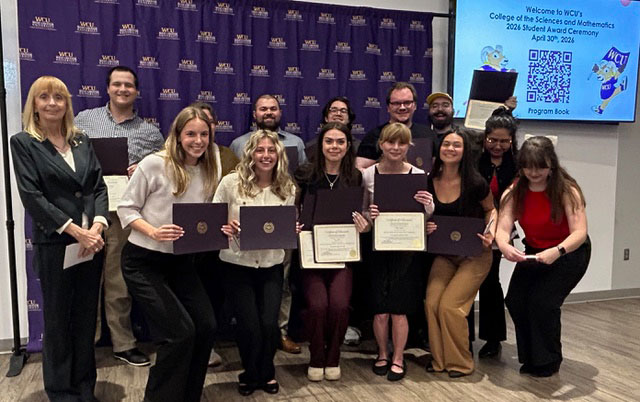
Congratulations to all of our award winners who were recognized at the College of the Sciences and Mathematics Awards Ceremony.
The Philadelphia Section, American Chemical Society (ACS) Scholastic Achievement Award and the ACS Award in Analytical Chemistry: Paige Ickes
The Philadelphia Section, ACS Scholastic Achievement Award: Jordan Kautzsch
American Institute of Chemists (AIC) Award – Chemistry: Christopher Brunozzi
AIC Award – Biochemistry: Megan St. Jean
AIC Award – Biochemistry: Jillian Snyder
AIC Award – Biochemistry: Lisa Travis
The Reid-Fenton Award for Forensic & Toxicological Chemistry: Revathi Variar and Caitlynn Szarko
Chemistry Minor Award: Sean Donovan and Abigail Edelman
ACS Award in Organic Chemistry: Samuel Miller
ACS Award in Physical Chemistry: Katherine Drummond
ACS Award in Inorganic Chemistry: Jacob Gallahan
Dr. Kolasinski's investigation of using waste plastics as a feedstock for supercapacitors makes the cover of Surfaces
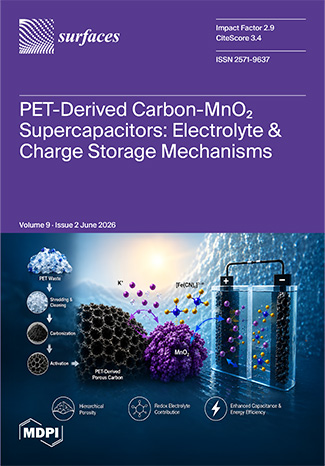
In collaboration with engineers at Widener University, porous carbon derived from poly(ethylene terephthalate) (PET) waste was synthesized via carbonization and chemical activation and subsequently combined with manganese dioxide (MnO2) to fabricate hybrid electrodes for aqueous supercapacitors. The work was published in the journal Surfaces and used the facilities of the CMIRT for materials characterization.
Investigating Molecular Layer Deposition to improve performance of Si/graphite composite anodes
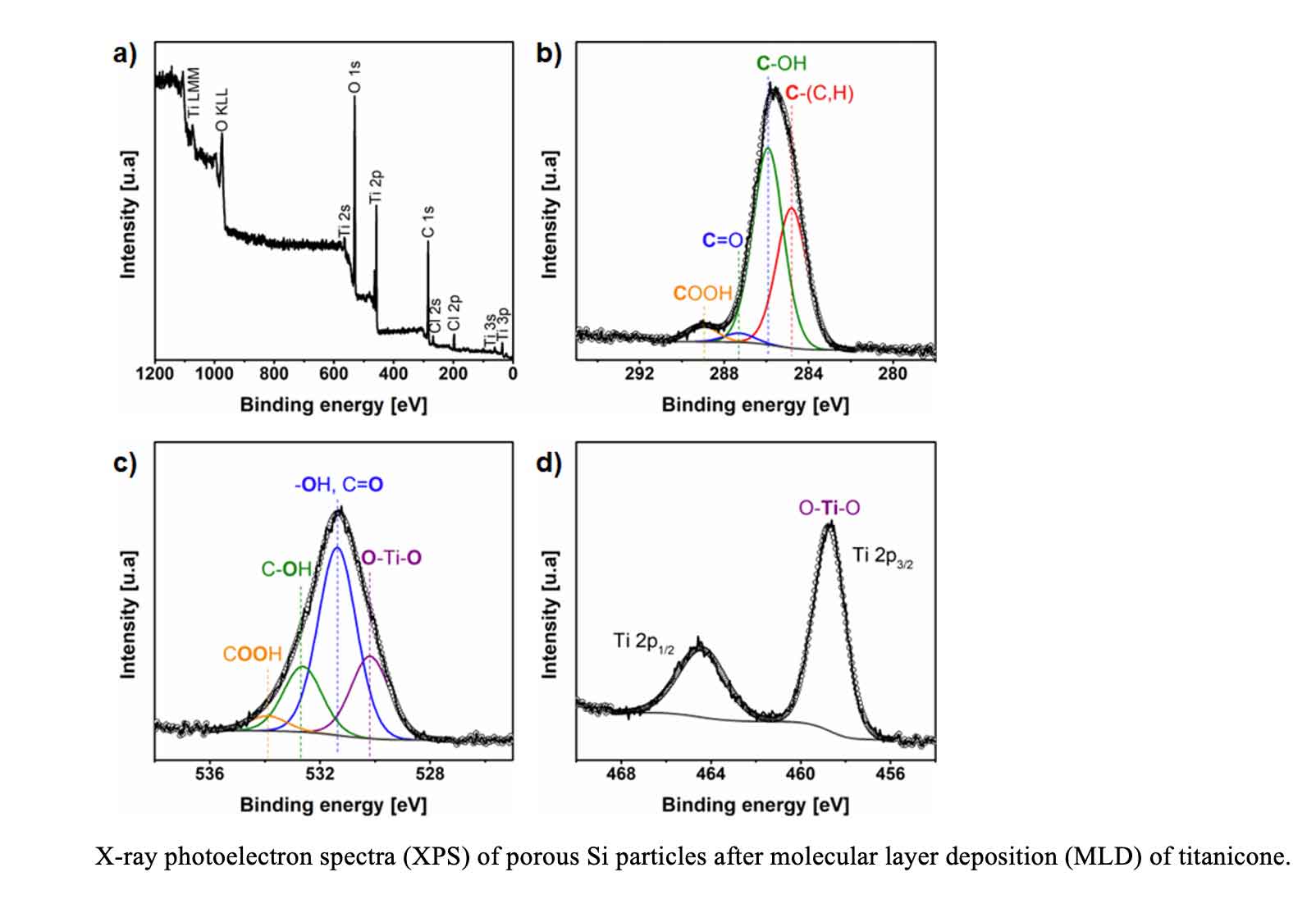
Juliana Hetzel's long hours as an undergraduate in Dr. Kolasinski's lab optimizing metal assisted catalytic etching (MACE) of porous silicon have resulted in a study that was published in Materials Advances titled "Stabilization of Nanoporous Si/Graphite Composite Anodes by Ultrathin Titanicone Coatings." This work was the product of a years long collaboration with groups from Brno University of Technology, University of Pardubice, Thermo Fisher Scientific Brno (all in Czechia), and CIC NanoGUNE and the Basque Foundation for Science in Spain to produce and characterize lithium ion batteries. The work aims to improve the capacity and cyclability of these rechargeable batteries by improving their anode chemistry.
Dr. Kwiatkowski and group present at ASCB/EMBO Cell Bio 25
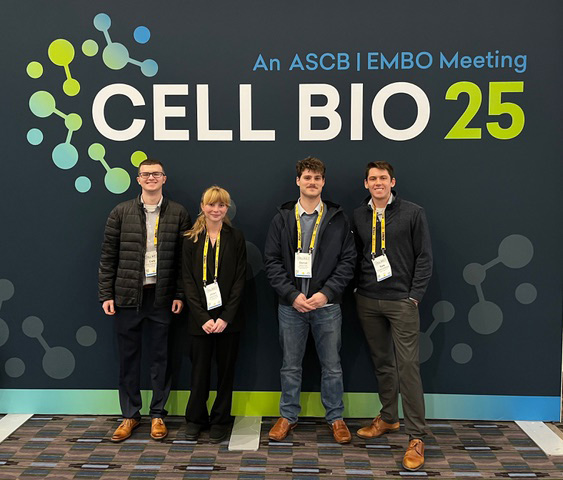
Biochemistry students Jillian Snyder, Cole Stefencavage, and Daniel Ford from Dr. Kwiatkowski’s lab presented their research projects at one of the world’s largest international conferences in cell biology, the American Society for Cell Biology (ASCB) and European Molecular Biology Organization (EMBO) meeting.
Strange Outbreak of Alchemy on Halloween
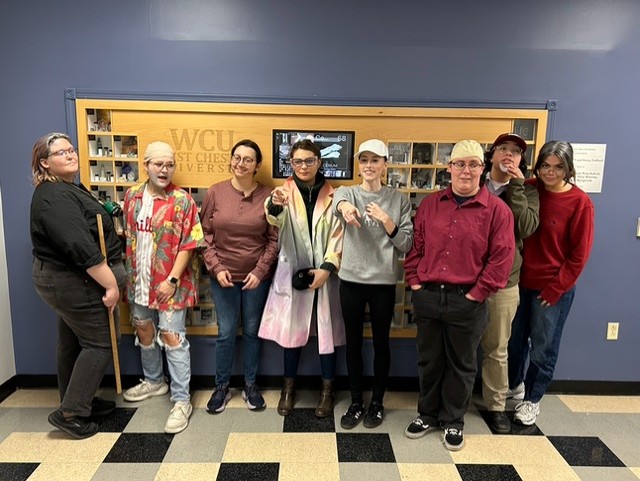
The Periodic Table of the Elements remains the same but looking closely at the faculty, the usual laws of chemistry appear to take a turn toward the Alchemists.
Student Presentations at Northeastern Association of Forensic Scientists (NEAFS)
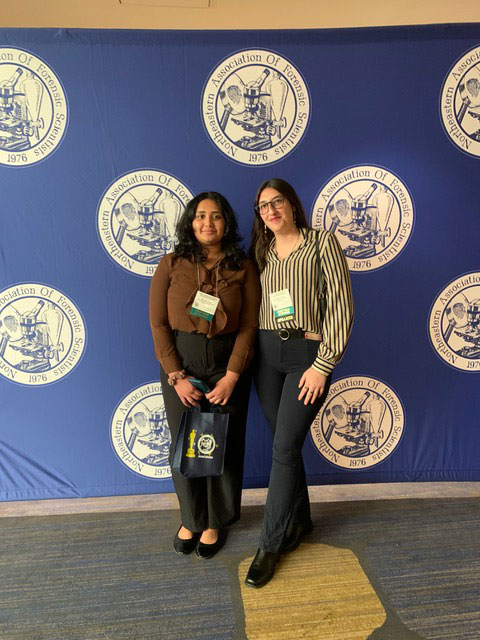
Katherine Hayner (WCU student) present results with co-authors Revathi Variar (WCU student), Lisa Mundy (Philadelphia Medical Examiner’s Office), and Dr. Constantinos Pistos (WCU) at the 51st Annual Meeting of Northeastern Association of Forensic Scientists, in Lancaster, PA. The title of the oral presentation was “Method development for the determination of Fentanyl and its cutting agents in whole blood using LC-MS/MS.”
Dr. Starn publishes the results of a field project in the Arctic
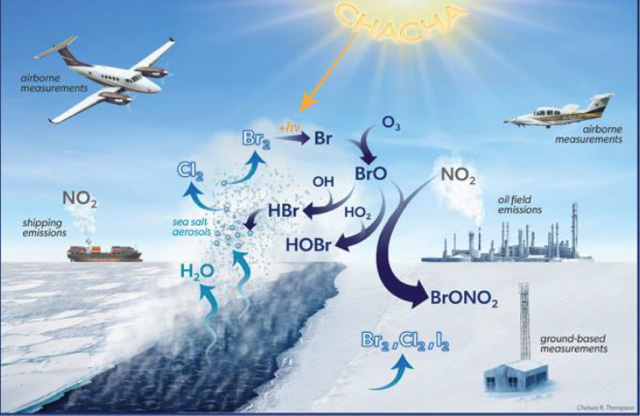
Given the rapid pace of physical and chemical changes occurring in the Arctic, and the critical yet insufficiently understood roles of atmospheric turbulence, chemistry, and aerosol cloud feedbacks, the CHACHA project aimed to enhance understanding of the processes governing vertical variability of halogens and aerosols and, in turn, improve predictive capabilities for the Arctic’s physical and chemical state, both now and in the future. This article, which can be found at this link, describes a field project designed to investigate impacts of Arctic sea ice leads and emissions from oil and gas extraction on air chemistry and cloud microphysical properties.
Radical Surface Chemistry: Dr Kolasinski's review article on the chemistry of interfacial water makes the cover of Surface Science Reports
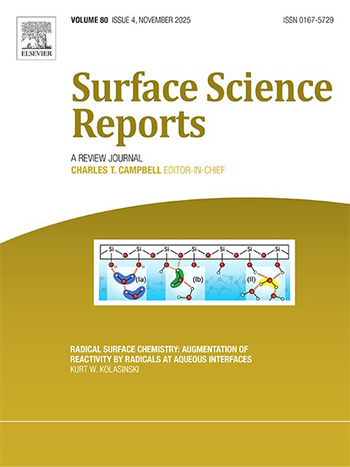
This review published in Surface Science Reports explores the unexpected chemistry associated with ambient temperature aqueous interfaces much of which is mediated not only by ions and neutrals as expected, but also radical species. Water microdroplets catalyze numerous reactions and can also support simultaneous oxidation and reduction reactions through the production of reactive intermediates that owe their existence to the unique influence of the air/water or oil/water interface. Interfacial water influences and is influenced by the ubiquitous phenomenon of contact electrification, a manifestation of spontaneous symmetry breaking. The mechanisms of chemistry not only on and in microdroplets but also at the gas/solid and liquid/solid interfaces rely on a broad set of chemical transformations mediated by radicals. Furthermore, because aqueous macro- and micro-interfaces are ubiquitous on Earth, we find that water radical-mediated chemistry has applications to atmospheric chemistry, geochemistry, mineral weathering, pre-biotic chemistry, enhanced enzyme performance, wastewater remediation, public health, mechanochemistry, and potentially novel routes to pharmaceuticals.
Dr. Starn published new results in atmospheric chemistry
Collaborating with researchers from several institutions, Dr. Tim Starn has studied the release of greenhouse gases from the Prudehome Bay Oil Field in Alaska. Many recent US studies have shown that emissions of methane, a greenhouse gas with 83 times the short-term warming impact of carbon dioxide, from oil and gas production regions are significantly underestimated by the Environmental Protection Agency (EPA). The Prudhoe Bay Oil Field is one of the 10 largest oil fields in the US with only one recent study reporting on its emissions. The Arctic produces 5.5% of global oil and gas with significant potential for growth, but many Arctic sites are poorly studied or inaccessible to scientists. We present measured emission rates of carbon dioxide, methane, and nitrogen oxides from the Prudhoe Bay Oil Field in the spring of 2022. Nitrogen oxides are a combustion byproduct that are respiratory irritants and precursors to ozone and particulate matter, both “criteria” pollutants regulated by the U.S. Clean Air Act. The nitrogen oxides can impact the chemistry and composition of the atmosphere. Unlike previous works in other U.S. states, our results show good agreement with EPA estimates for the greenhouse gases. Our results provide an important snapshot as Alaska begins significantly expanding its oil production and starts exporting natural gas for the first time.